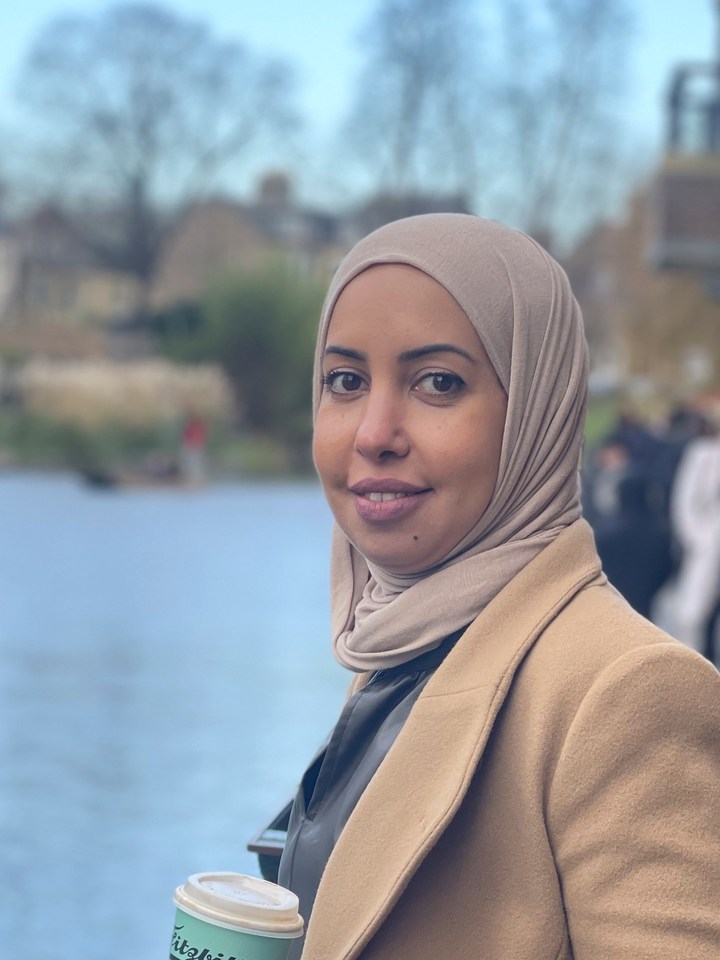
د. فاطمة الحلواچي

Dr. Fatema Alhalwachi

PhD · FHEA · Applied Linguist

Arabic · English · Academic · Literary & Cultural Translation

Bringing the richness of Arabic literary and cultural heritage to English-speaking readers — with fidelity to the original voice, sensitivity to the Gulf cultural context, and the precision of a trained applied linguist.

Get in Touch

Translation

With native bilingual proficiency in Arabic and English and a PhD in Applied Linguistics from Birkbeck, University of London, I bring both scholarly rigour and creative sensitivity to every translation. My work spans literary fiction, cultural heritage projects, art publications, and institutional texts — particularly those rooted in Bahraini and Gulf contexts.

I believe translation is not merely the transfer of words but of worlds. Significant cultural terms are preserved and contextualised rather than erased, and the author's voice is carried into English with care and integrity.

📖

Literary Translation

Novels, short fiction, and prose works translated with attention to voice, rhythm, and cultural register. Gulf Arabic idiom and socio-cultural references are handled with expertise.

🏛️

Cultural & Heritage

Art catalogues, visual memory archives, museum publications, and cultural heritage materials — including work commissioned by ministries, arts organisations, and cultural institutions.

🎓

Academic & Institutional

Research papers, academic texts, and institutional documents translated accurately and consistently, with attention to disciplinary conventions and terminology.

Editing & Proofreading

Translation and editing are inseparable. A text that reads naturally and correctly in English — while remaining faithful to its Arabic source — requires careful editorial attention at every stage. I offer editorial services both for my own translations and for translations by others, drawing on both my linguistic training and my cultural knowledge of the Gulf.

✏️

Comparative Proofreading

Reading the English translation against the Arabic original — flagging inaccuracies, omissions, mistranslations, and inconsistencies in register or cultural framing.

🔍

Copy Editing

Grammar, syntax, punctuation, and stylistic consistency — ensuring the English text is clean and publication-ready without losing the flavour of the source.

📝

Cultural Annotation

Identifying terms and cultural practices that need explanation for an English readership — footnotes, glossaries, or parenthetical notes crafted to illuminate without interrupting the reading experience.

Translation Portfolio

Selected literary, cultural, and heritage translations spanning two decades of work in Arabic–English translation, including commissions by government ministries, arts institutions, publishers, and individual authors.

Literary Fiction
م

Literary Translation · Bahraini Fiction · Forthcoming

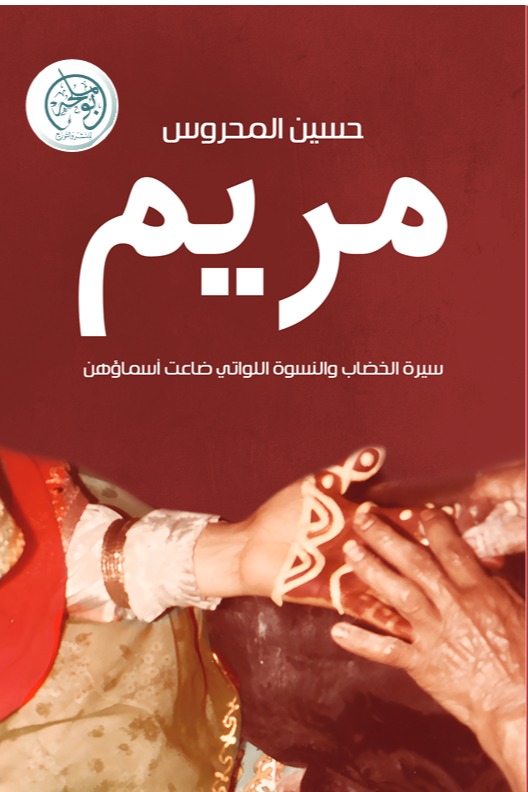
Maryam — The Narrative of Henna and Women with Lost Names

Hussain Almahros

A lyrical, vignette-structured novel set in Hay al-Nu'aim, Bahrain. Weaving together the lives of women across generations through ritual, memory, and the social fabric of Gulf community life. Translated with close attention to preserving Gulf Arabic idiom, oral prose rhythm, and the novel's rich cultural register.

Forthcoming
آ

Literary Translation · 2020 · Alfarabi Publication

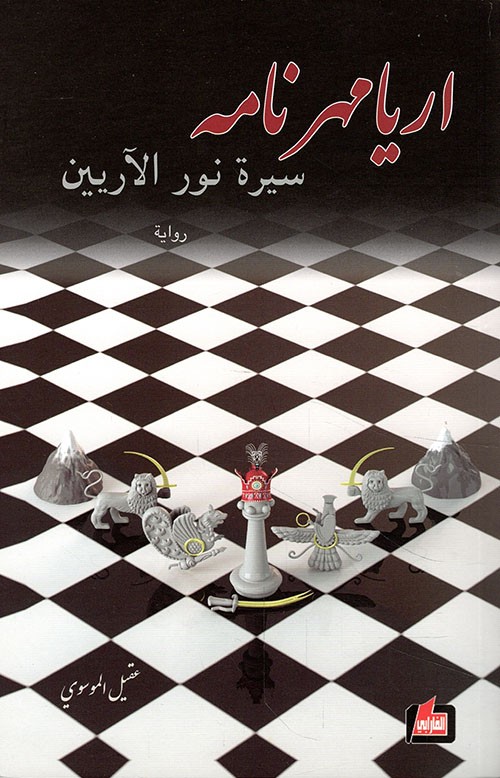
Aryamehr Nameh

Dr Aqeel Almosawi

Cultural Heritage & Art Publications
🌴

Heritage Translation · 2024 · BAPCO Productions, Bahrain

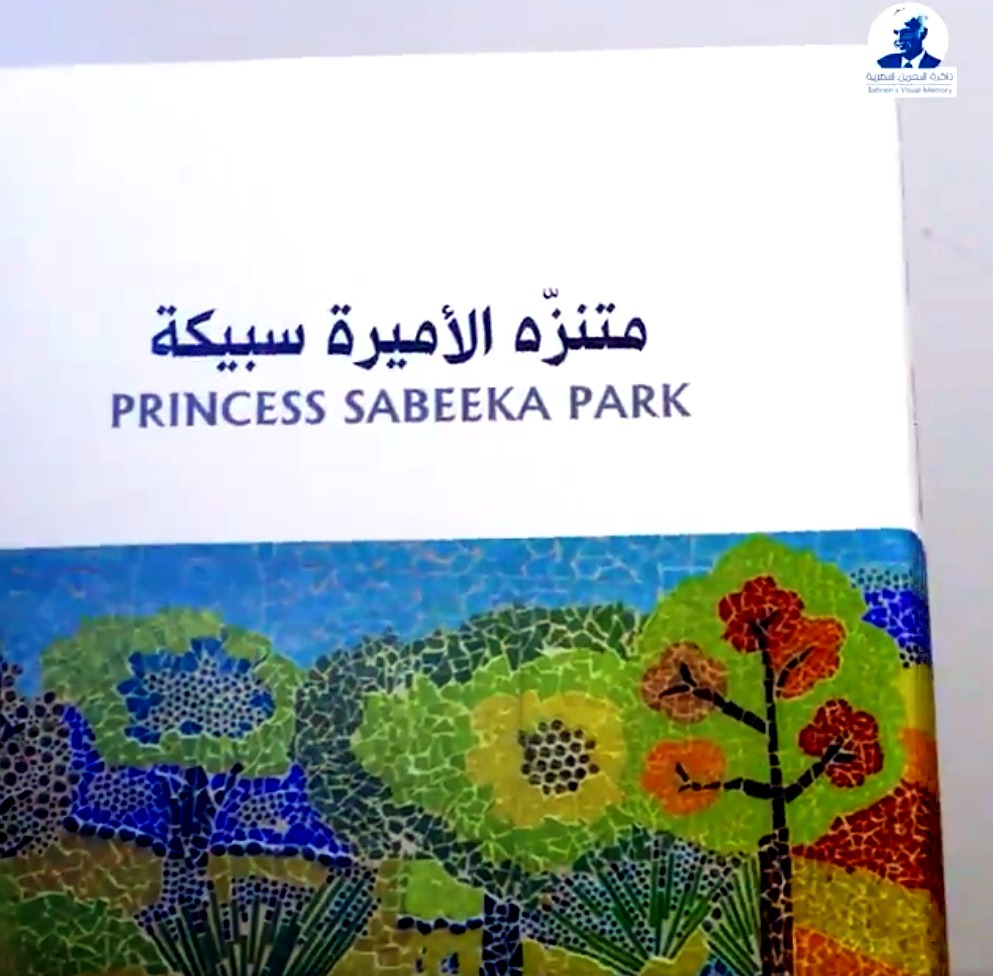
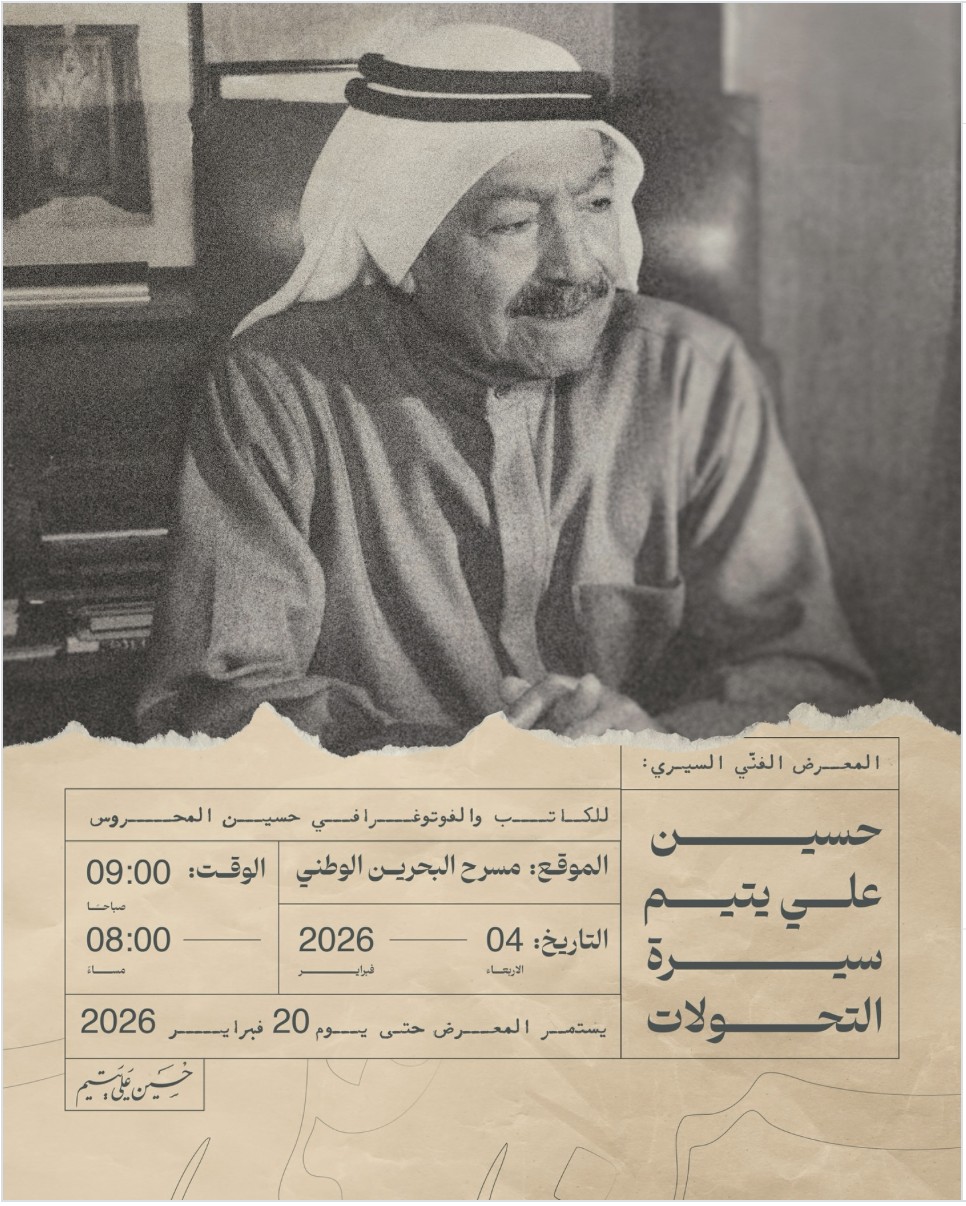
Princess Sabeeka Park — Bahrain Visual Memory, Vol. 9

Husain Al-Mahroos · Photography: Abdulla Al Khan

The story of the creation of Princess Sabeeka Park in Awali, Bahrain — a landmark cultural and environmental project completed in 132 days under the patronage of HRH Princess Sabeeka bint Ibrahim Al-Khalifa. The text weaves together engineering achievement, community spirit, and Bahraini landscape heritage, drawing on firsthand accounts from the BAPCO project team.

🎨

Art Monograph · Cultural Translation

Abbas Yousif: 50 Years of Art and Peace

Exhibition catalogue and artistic biography

A monograph documenting five decades of the Bahraini artist's career — from his formation in the Alnaim neighbourhood of Bahrain and studies in Cairo, through his internationally exhibited Peace Project, to the inauguration of his House of Art and Peace studio. The translation captures the lyrical, deeply personal prose of an artist whose work spans portraiture, heritage, and peace advocacy, with exhibitions at the United Nations headquarters in Geneva and New York.

📸

Cultural Heritage · Visual Archive Translation

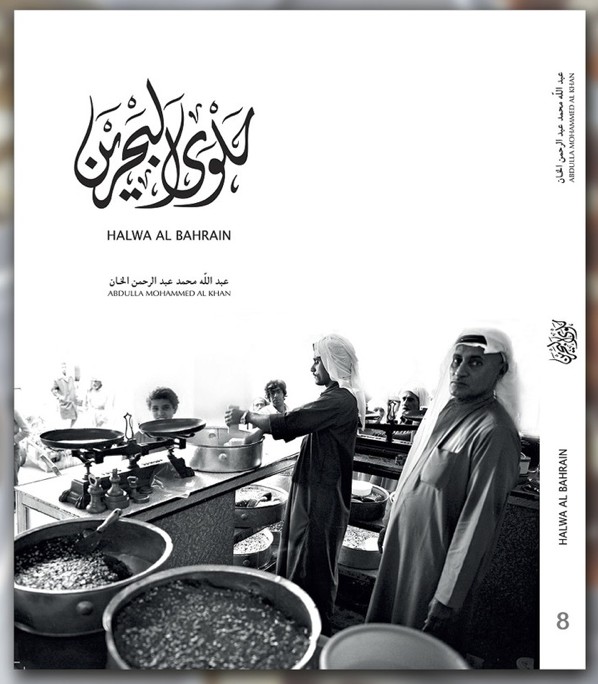
Bahrain Visual Memory

Series translation — Ministry of Culture and Heritage, Bahrain

Translation of volumes in the Bahrain Visual Memory heritage series, a landmark documentation project preserving the visual and cultural record of Bahrain's landscapes, communities, and built heritage for future generations.

🌺

Cultural Publication · Translation

Soghat Al Bahrain

Cultural heritage publication celebrating Bahrain's gifts to the world — its crafts, traditions, and living cultural legacy.

👁

Art Publication · 2013 · House of Photography, Bahrain

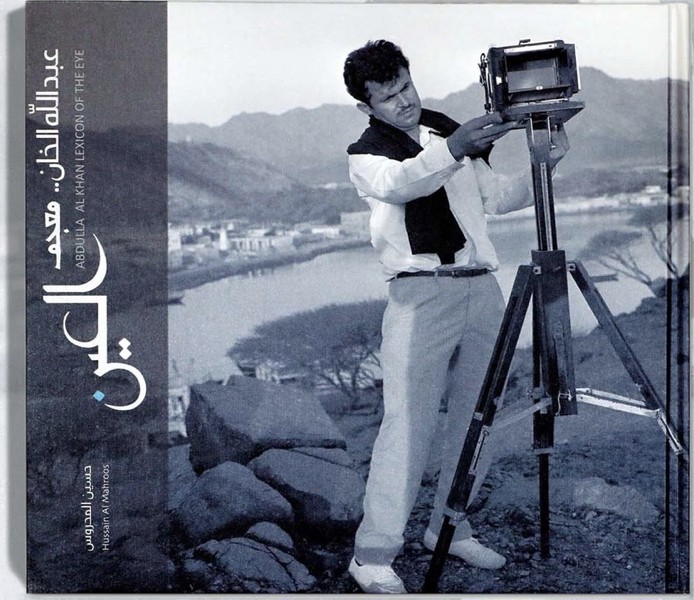
Lexicon of the Eye

Abdulla Al-Khan

Muharraq the Sea Rose book cover

Photography · Heritage · 2009 · House of Photography, Bahrain · Trilingual Edition

Muharraq... The Sea Rose / Muharraq... Rose de la Mer

Abdulla Al-Khan

A trilingual heritage photography book (Arabic, English, French) documenting the historic island of Muharraq — Bahrain's ancient pearl-diving city and seat of the Al-Khalifa dynasty. Through evocative black-and-white and archival photography, the book preserves the visual memory of Muharraq's traditional architecture, sea-facing neighbourhoods, kuttab schools, and the human stories of a community shaped by the sea. Published by the House of Photography, Bahrain.

Institutional & Commissioned Translation
🗞

Editorial Translation · 2019 · Ministry of Culture and Tourism, Bahrain

Bahrain in Saudi Aramco World

Selection of articles on Bahraini culture and heritage commissioned by the Ministry of Culture and Tourism.

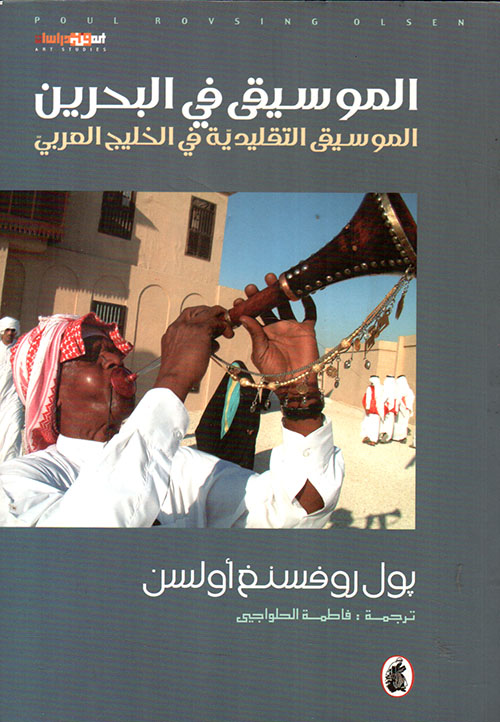
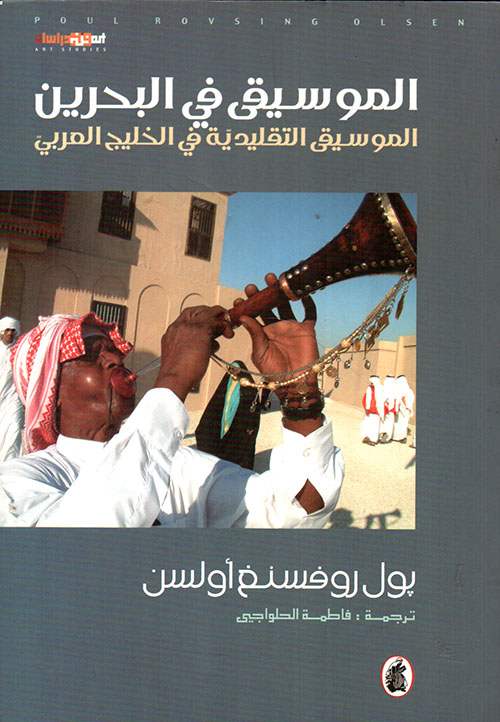
Music in Bahrain book cover

Academic / Cultural Translation · 2005 · المؤسسة العربية للدراسات والنشر · Series: كتاب البحرين الثقافية

Music in Bahrain — Traditional Music in the Arabian Gulf

Poul Rovsing Olsen · 216 pages

A landmark scholarly work and the first of its kind — a rigorous ethnomusicological study of traditional music in Bahrain and the wider Gulf, including the distinctly Bahraini art forms of al-Sawt and al-Fijri. Olsen, who served as President of the International Council for Traditional Music from 1977 until his death in 1982, conducted fieldwork in Bahrain, Kuwait, the UAE, and Oman from 1958 onwards. The book was published posthumously from a near-complete manuscript, with an introduction by Flemming Høgland. A vital document of a living musical heritage that was already beginning to transform under the social and economic changes of its time.

View on Neel wa Furat ↗

Dr. Fatema Alhalwachi

Dr. Fatema Alhalwachi

I am a bilingual Arabic–English applied linguist, lecturer, and researcher based in London, with a PhD in Applied Linguistics from Birkbeck, University of London, and Fellowship of the Higher Education Academy.

My translation work spans over two decades and covers literary fiction, visual art monographs, cultural heritage archives, and institutional texts — with a particular focus on Bahraini and Gulf culture. I work closely with authors and institutions to ensure that every text arrives in English not just accurately, but alive to the cultural world it comes from.

My academic research spans narrative analysis, digital discourse, health communication, and identity — all of which inform the precision and sensitivity I bring to translation.

Qualifications & Affiliations

  • PhD in Applied Linguistics — Birkbeck, University of London
  • Fellow of the Higher Education Academy (FHEA)
  • Member, British Association for Applied Linguistics (BAAL)
  • Member, International Gender and Language Association (IGALA)
  • Consultant, Society of Educational Consultants
  • Member, British Academy Early Career Researcher Network

Selected Publications

Qualitative Health Research · 2026

Alhalwachi, F. S. (2026). 'WTF Uterus?' Metaphors of the body as positioning in infertility blogs by Muslim women. ↗ doi.org/10.1177/10497323261442757

Journal of Narrative Inquiry · 2024

Alhalwachi, F. S., & McEntee-Atalianis, L. (2024). From offline to online stigma resistance: Identity construction in narratives of infertile Muslim women.

Contact

On Translation

Essay  ·  June 2026  ·  Dr. Fatema Alhalwachi

Between Two Souls: On the Art of Translating Literary Texts

Translation is not a crossing from one language to another. It is a descent — into the writer's world, their silences, their preoccupations — and a long, uncertain climb back up, carrying everything that can be carried, losing as little as possible along the way.

The Illusion of Equivalence

There is a comfortable fiction at the heart of how most people think about translation: that a word in one language has a word in another, and that the translator's task is simply to find the right pairing. In commercial translation, this approximation can be made to work. In literary translation, it is a trap. Words are not counters to be exchanged. They are living things, thick with history, resonance, cultural memory, and emotional charge. The Arabic word غُربةghurba — means something like exile or estrangement, but it carries within it a particular weight of longing, of being far from one's people, of a wound that geography opens and time cannot close. No English word contains all of that. The translator must decide not merely which word to use, but how much of the meaning to rescue, and how.

This is why literary translation is not a mechanical act. It is a negotiation — between precision and poetry, between faithfulness and readability, between the world the writer built and the world the reader inhabits.

"The translator does not simply read the text. They must become a temporary inhabitant of it — living in its rhythms, breathing its air, learning the particular way its author sees the world."

Diving into the Writer's Mind

Before a single sentence is rendered into English, there is a period of immersion that most readers never see. The translator must first become a close, almost obsessive reader — not of words, but of a sensibility. What does this writer notice? What do they leave unsaid, and why? Where does their prose slow down, become dense and deliberate, and where does it open out into light? What is the emotional temperature of the text at any given moment, and how does it shift? These are not questions that can be answered by reading a text once. They require re-reading, note-taking, sitting with passages that resist understanding until they yield.

I have sat for hours with a single paragraph, not because the Arabic was beyond me, but because the English was. The writer had found a particular tone — ironic but tender, precise but elusive — and I needed to hold that tone in my mind with enough clarity to reproduce it in a language that carries different affordances, different music, different ways of being ironic or tender or precise.

This is what I mean by diving into the writer's mind. It is not enough to understand what they are saying. The translator must understand how they are thinking — the associative logic beneath the surface, the cultural assumptions so natural to the writer they need not be stated, the emotional undertow that moves through the text like a current beneath still water.

Culture, Mood, and the Hints Between the Lines

Literary texts — and this is especially true of Arabic literature, with its long oral tradition and its deep roots in poetry — are full of allusion. A word or phrase will carry within it the echo of a Quranic verse, a classical poem, a proverb so embedded in the culture that an Arabic reader hears it immediately, without needing it to be named. The translator must decide, case by case, whether to preserve the allusion and trust the English reader to sense something resonant even if they cannot locate it, or to unpack it, or to find an English equivalent that performs the same emotional work even if it comes from a different cultural tradition entirely.

There is no formula for this. There is only judgment — and judgment requires immersion. You cannot make these decisions from the outside. You must have spent enough time in the culture, the language, the history of the text to feel when something is significant and when it is incidental; when the writer is drawing on a well of shared meaning and when they are being purely individual.

Mood is equally untransferable by rule. The rhythm of a sentence creates mood. The length of a paragraph creates mood. The choice of a concrete detail over an abstraction creates mood. All of these things behave differently in Arabic and English — two languages with different grammatical architectures, different relationships between sound and meaning, different traditions of what prose is allowed to do. The translator must rebuild the mood in English using entirely different materials, the way a musician might transcribe a piece for a different instrument: the notes change, but the feeling must remain.

"A machine can transfer information. It cannot transfer longing. It cannot feel the weight of a word chosen in grief, or know why a particular silence on the page is louder than anything said."

What Technology Cannot Do

We live in an age that is understandably dazzled by the capabilities of artificial intelligence, and machine translation has made genuine progress. For practical, transactional texts, it can be genuinely useful. But literary translation reveals the limit of what machines can do — and that limit is not a technical one. It is a human one.

A machine can process language. It cannot inhabit it. It can identify patterns across vast corpora of text, but it cannot feel the difference between a word chosen in precision and a word chosen in grief. It cannot notice when a writer's syntax tightens with anxiety or opens with relief. It cannot sense that a certain passage is significant not because of what it says but because of the particular quality of attention the writer brings to it — an attention that only another human, reading with their whole self, can recognise.

Literary translation is not the transfer of information. It is the transfer of experience. And experience, in all its particularity and weight, is not a data problem. It is a human one.

A Human Connection Across Languages

When I translate a literary text, I am trying to do something that sounds simple and is in fact among the most difficult things I know: to touch the soul of the writer, and then — through language, through all the choices and compromises and moments of grace that translation involves — to transfer that feeling to a reader who may never share the writer's language, their history, or their world.

This is, at its core, an act of love. Not the sentimental kind, but the rigorous kind — the love that attends closely, that asks hard questions, that is willing to be changed by what it encounters. The translator must love the text enough to resist the easy solution, to stay with the difficulty until something true emerges. And they must love the reader enough to make the result genuinely readable — not a monument to the translator's effort, but a living thing in its own right.

The finest translations I have read feel not like documents carrying a text from one place to another, but like a third thing — something born from the encounter between the original and the language it has been brought into. They carry the soul of the source without being enslaved to its letter. They breathe in the target language while never forgetting where they came from.

That is what I aspire to in my own work: not fidelity as mere accuracy, but fidelity as faithfulness — to the writer's intent, to the beauty of the language, to the truth of the human experience the text contains. And to the reader, who deserves, in English, to feel what an Arabic reader felt: that they are in the presence of something alive.
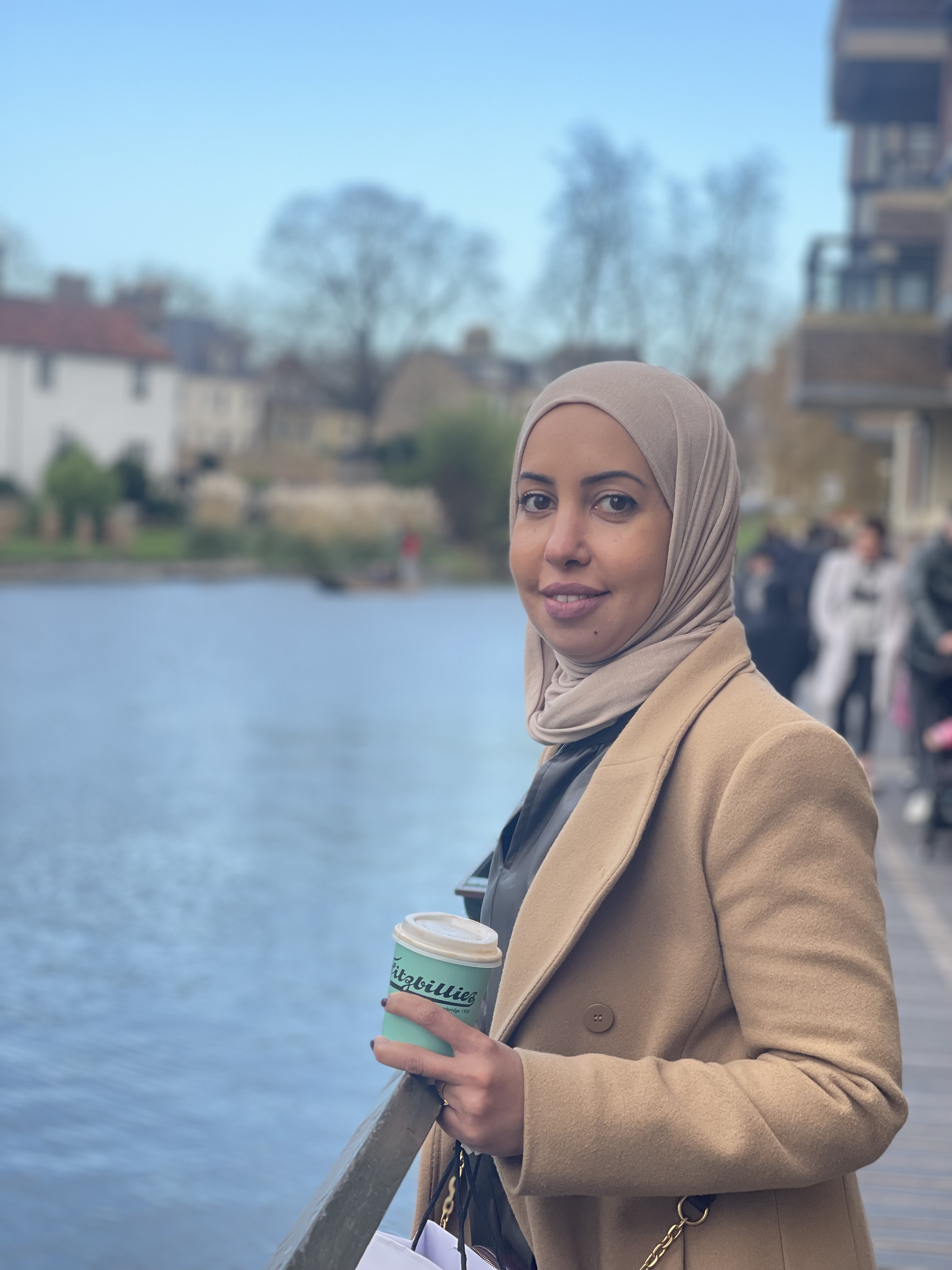
Contact

Whether you have a translation project, an editorial commission, or simply want to discuss the work — I would be glad to hear from you.

!لا تتردد في التواصل معي باللغة العربية

Location

Regent's Place, London NW1
United Kingdom

Services

Literary Translation · Cultural & Heritage Translation
Academic Translation · Proofreading · Editing · Cultural Annotation

Languages

Arabic — native / bilingual
English — native / bilingual

Thank you — I will be in touch shortly.